
Lincoln way PROJECT
The Lincoln Way Project
The Lincoln Way Project is a collaboration among Lincoln Way Neighbors for Change Neighborhood Association, the City of South Bend, and the University of Notre Dame’s Institute for Social Concerns and Housing & Community Regeneration Initiative. A model of development without displacement, this project aspires to catalyze opportunity, cultivate belonging, and inspire hope in South Bend’s historic westside.
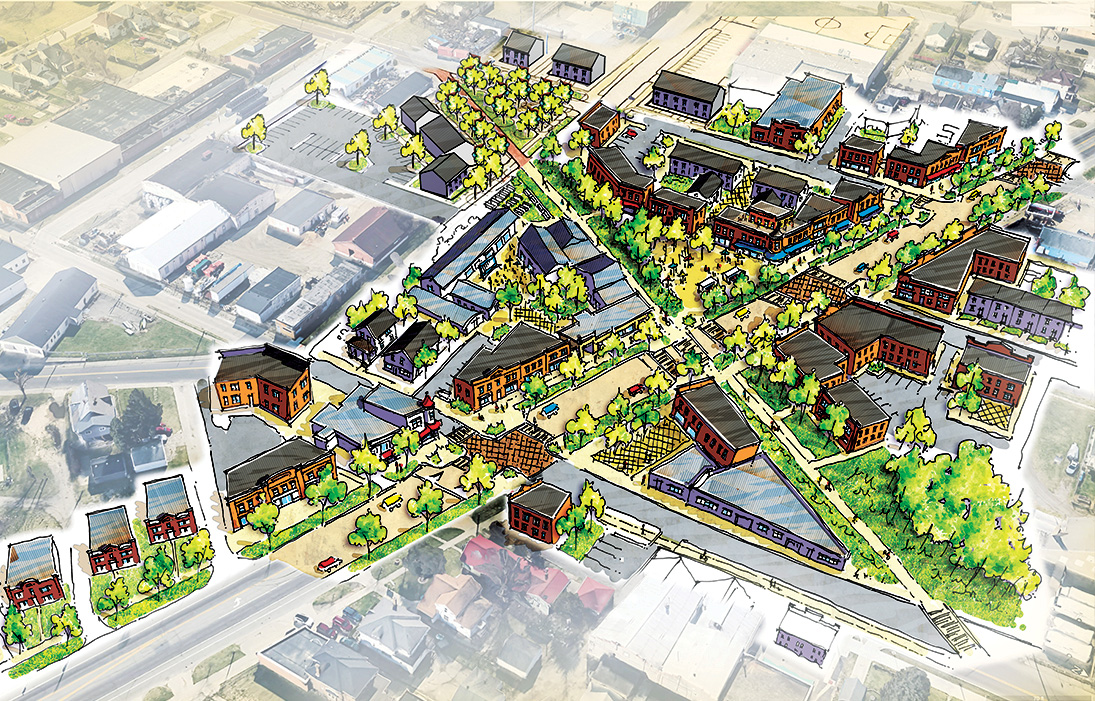
The Lincoln Way Project has three focus areas:
Activation of the Lincoln Way West corridor with local business incubation
Stabilization of housing in the adjacent neighborhoods
Celebration of westside history and culture through the art
This project launched with a public charrette in spring 2026 at Charles Martin Sr. Youth Center, where neighbors, local business owners, faith leaders, and community stakeholders gathered to cast vision for the Lincoln Way West corridor and adjacent neighborhood. The report capturing this vision is being finalized by the Housing & Community Regeneration Initiative in Notre Dame’s School of Architecture, and it will be uploaded to this site upon completion this Fall.
The focus area of this project is from Bendix Drive to Charles Martin Sr. Drive—with Phase 1 centering on the Lincoln Way West and Wilber Street intersection.
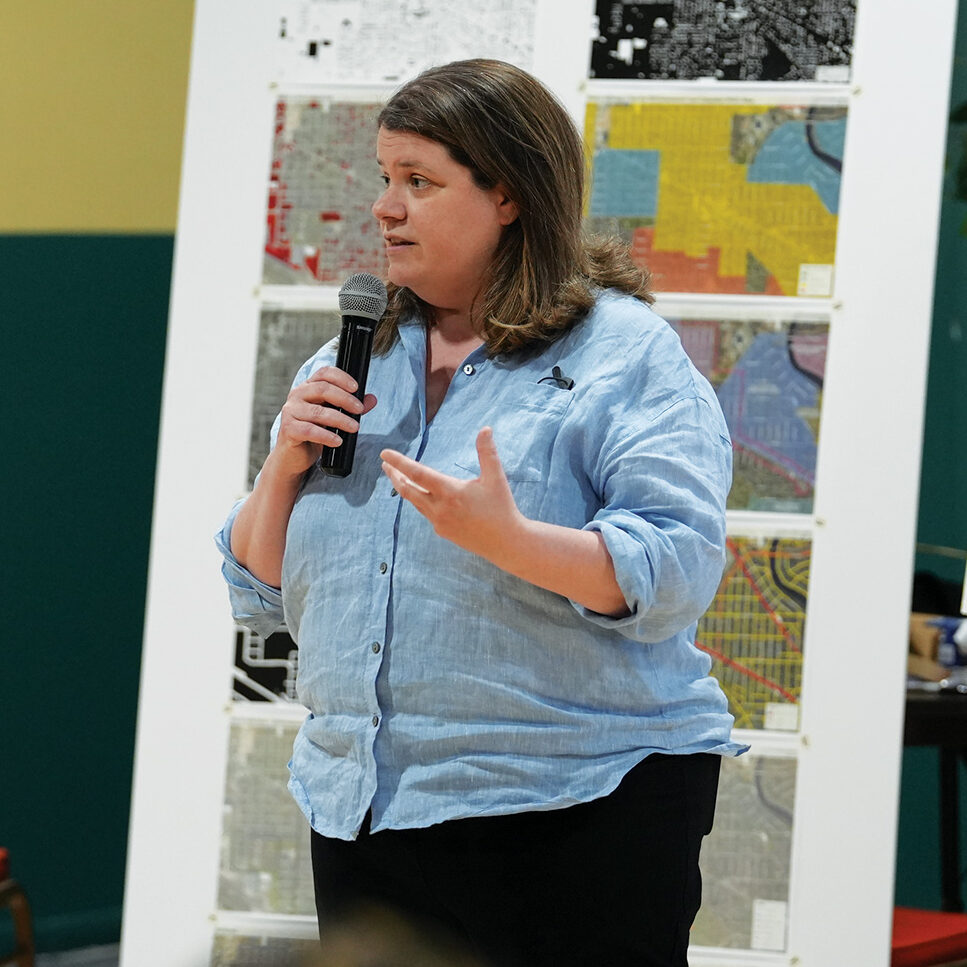
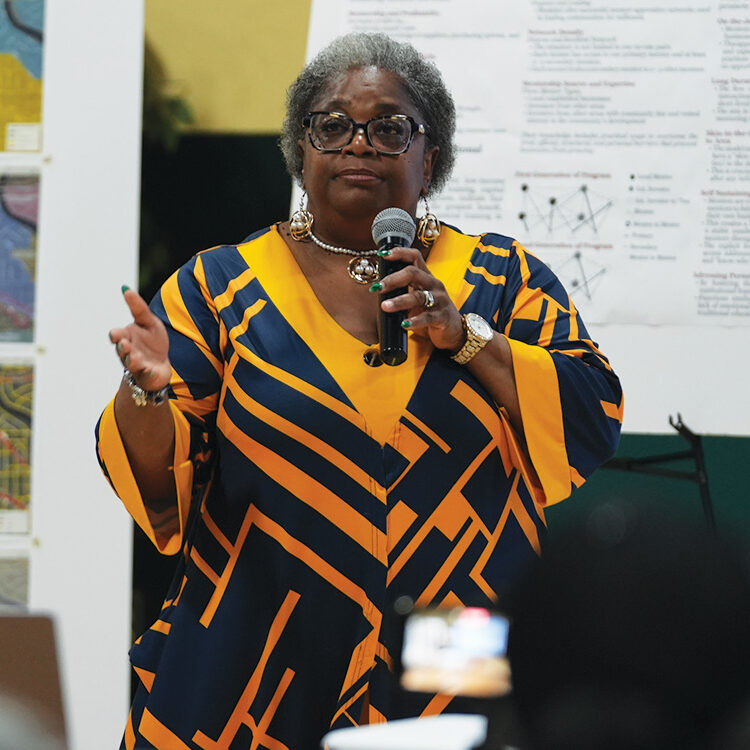
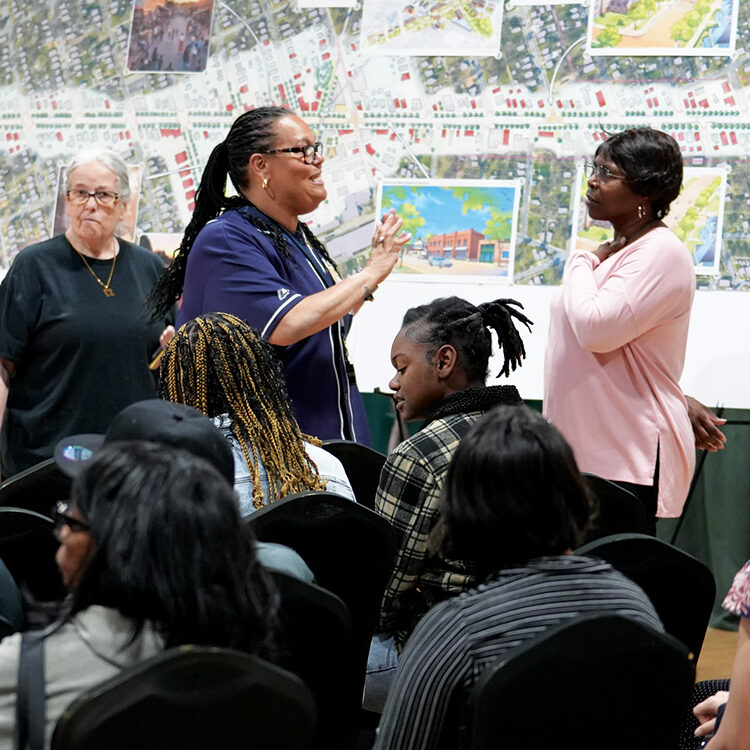
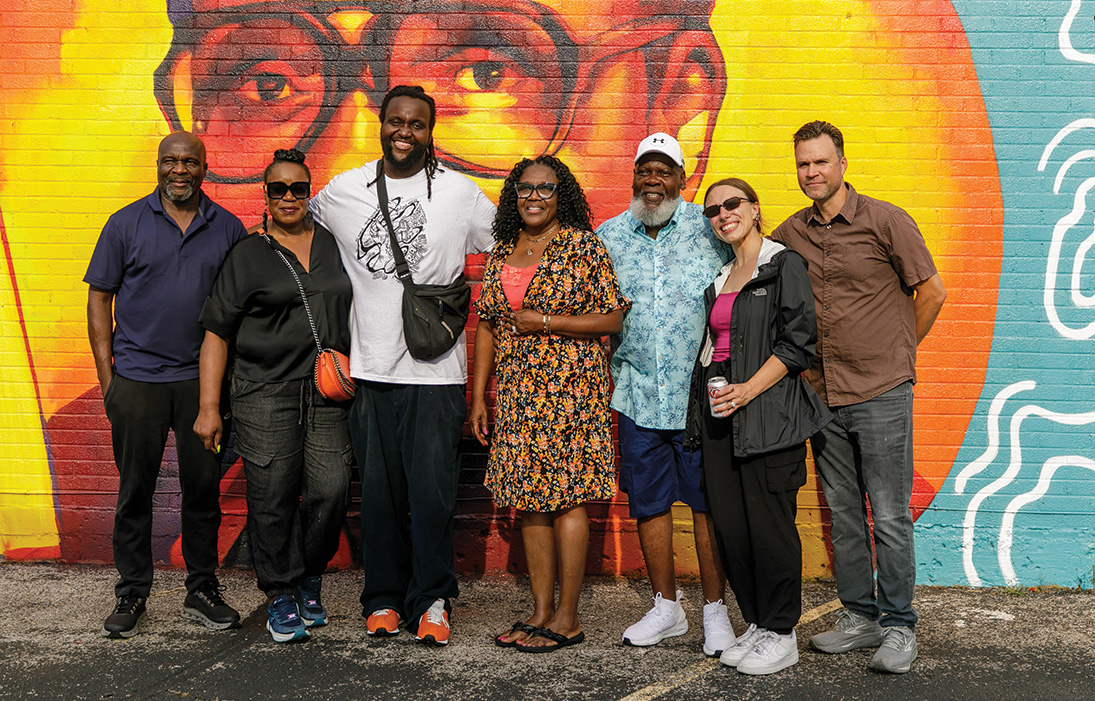
With stakeholders meeting regularly and plans being developed regarding business incubation and housing repair, the celebration of history and culture commenced this August with the mural unveiling at Faith Deliverance Center, showcasing westside exemplars and scenes of community along the Lincoln Way corridor.
While this site will share updates on progress, the best way to keep attuned to developments will be to join the Lincoln Way Neighbors for Change listserv and monthly neighborhood meetings.
Contact lnfc46628@gmail.com to be added to the listserv and kept informed.


Get connected with the Collaboratory
If you have ideas for new partnerships and projects or want more information about the Collaboratory, contact the institute’s assistant director, community partnerships and programs, Michael Hebbeler, at hebbeler.2@nd.edu or 574-631-5779.